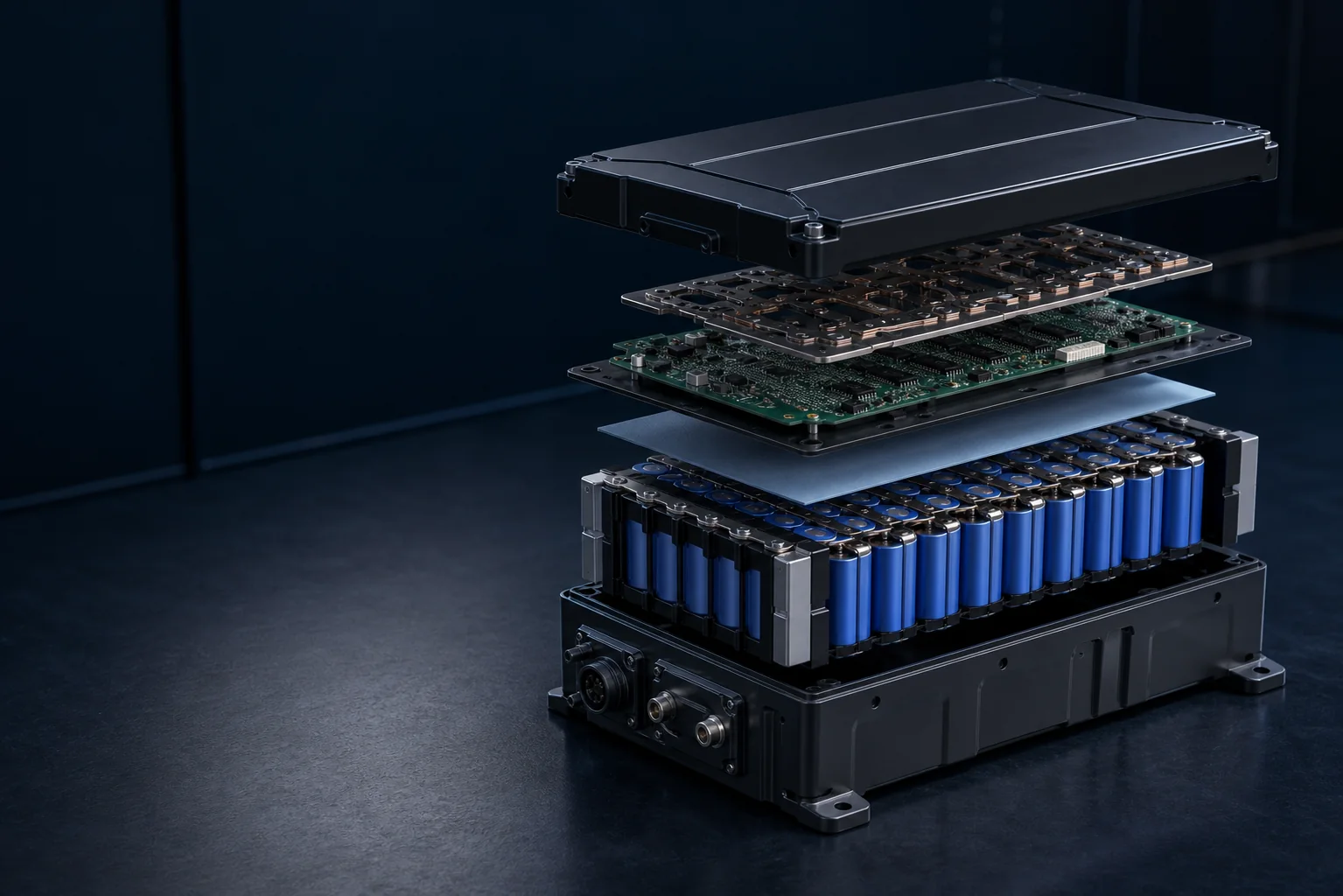
CHEMISTRY FOUNDATION 01
Custom Li-ion Battery Packs
A strong foundation when compact size, low weight and high energy density are central to the product requirement.
CUSTOM BATTERY PACK SOLUTIONS FOR OEM PRODUCTS
Stellova helps OEM teams define, engineer and deliver battery systems around electrical performance, mechanical integration, operating environment, communication, certification and production requirements.
SOLUTION ARCHITECTURE
A custom battery is not selected from one specification alone. The product requirement is translated through connected engineering decisions before the battery system is validated.
BATTERY CHEMISTRY SOLUTIONS
Lithium-ion and LiFePO4 are presented together as two chemistry foundations. The right direction is selected around the application, then completed with the required electrical, mechanical and BMS architecture.
CHEMISTRY FOUNDATION 01
A strong foundation when compact size, low weight and high energy density are central to the product requirement.
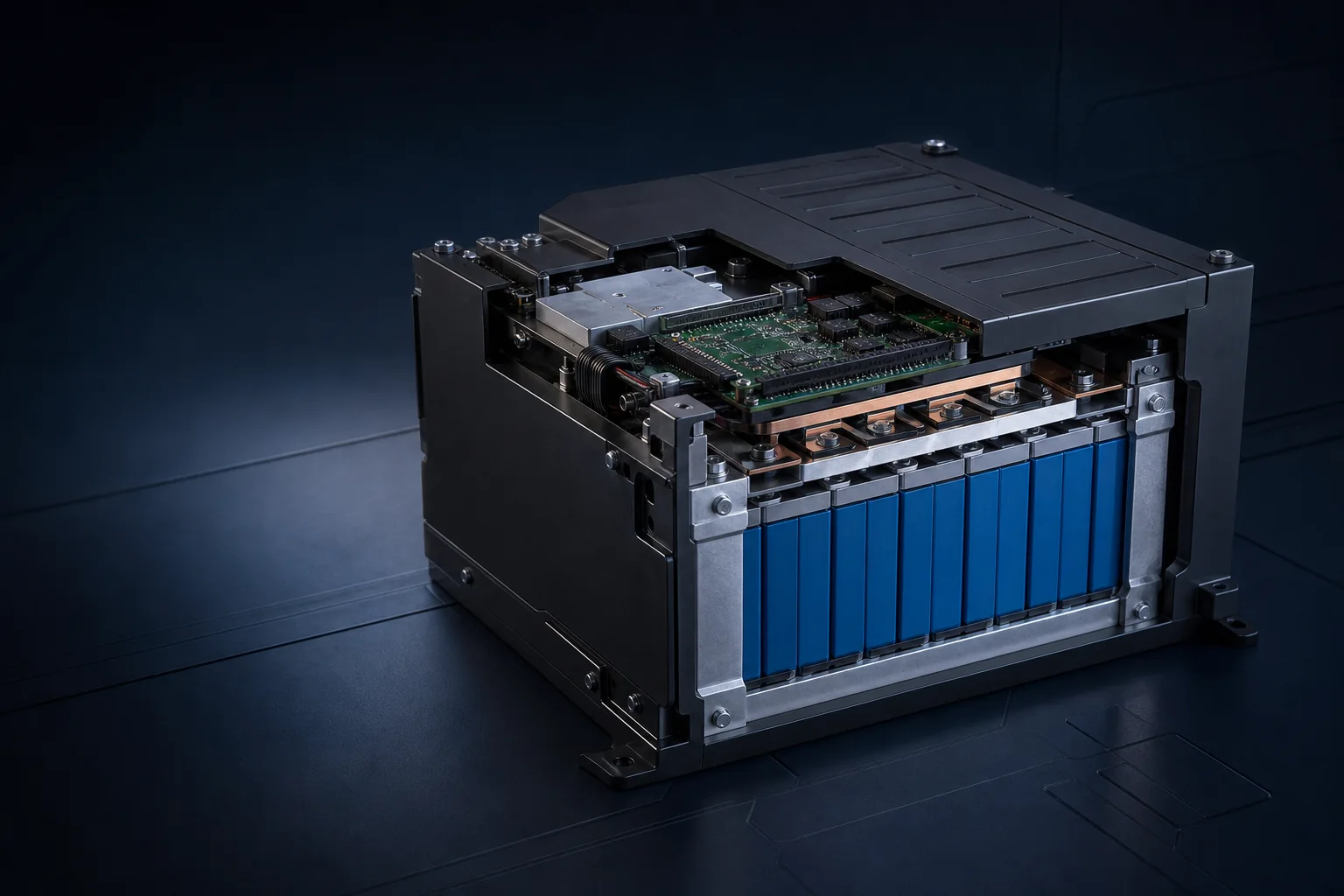
CHEMISTRY FOUNDATION 02
A durable platform for projects prioritizing cycle life, thermal stability, reliable power delivery or lead-acid replacement.
CONFIGURABLE SYSTEM LAYER
The BMS is the configurable system layer used with lithium-ion or LiFePO4 to manage protection, sensing, SOC/SOH, charging logic and communication such as CAN, RS485 or RS232.
CONFIGURABLE SCOPE
The final architecture is coordinated around the requirements that determine performance, integration, compliance and production feasibility.
Voltage, capacity, continuous current, peak current, power profile and runtime.
Dimensions, weight, mounting, enclosure, connectors, cabling and service access.
Protection logic, sensing, SOC/SOH, CAN, RS485, RS232 and application interfaces.
Charger compatibility, charge rate, opportunity charging and system-level charge control.
Temperature range, ingress protection, vibration, shock, humidity and outdoor exposure.
Applicable compliance path, documentation, validation, quality criteria and production transfer.
DECISION GUIDANCE
These are starting directions for engineering discussion, not fixed recommendations. Final selection follows review of the complete application requirement.
OEM APPLICATIONS
Battery architecture is developed around the operating conditions and integration requirements of the final product.

Explore application-specific battery requirements and solution directions.

Explore application-specific battery requirements and solution directions.
Explore application-specific battery requirements and solution directions.
Explore application-specific battery requirements and solution directions.
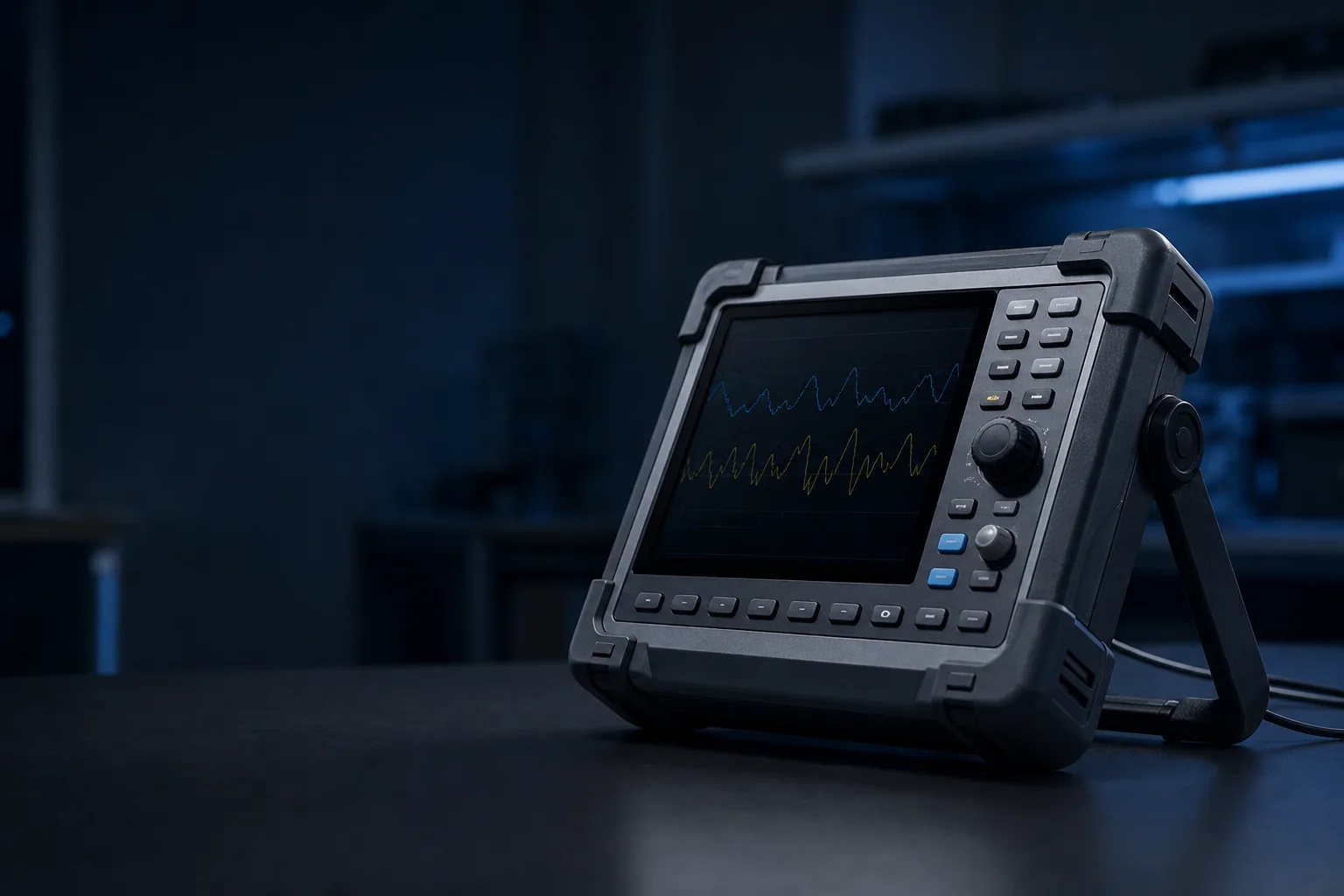
Explore application-specific battery requirements and solution directions.
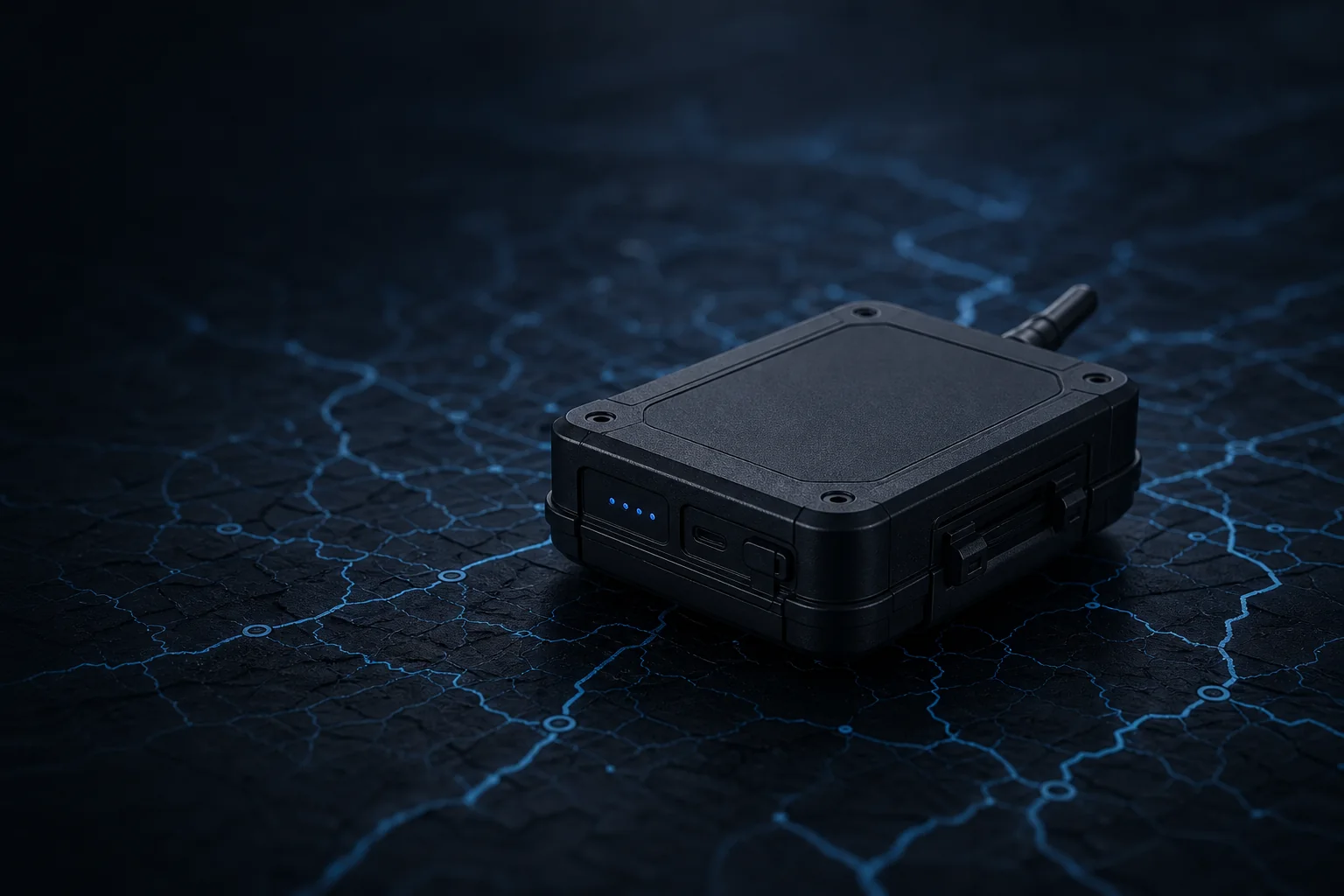
Explore application-specific battery requirements and solution directions.
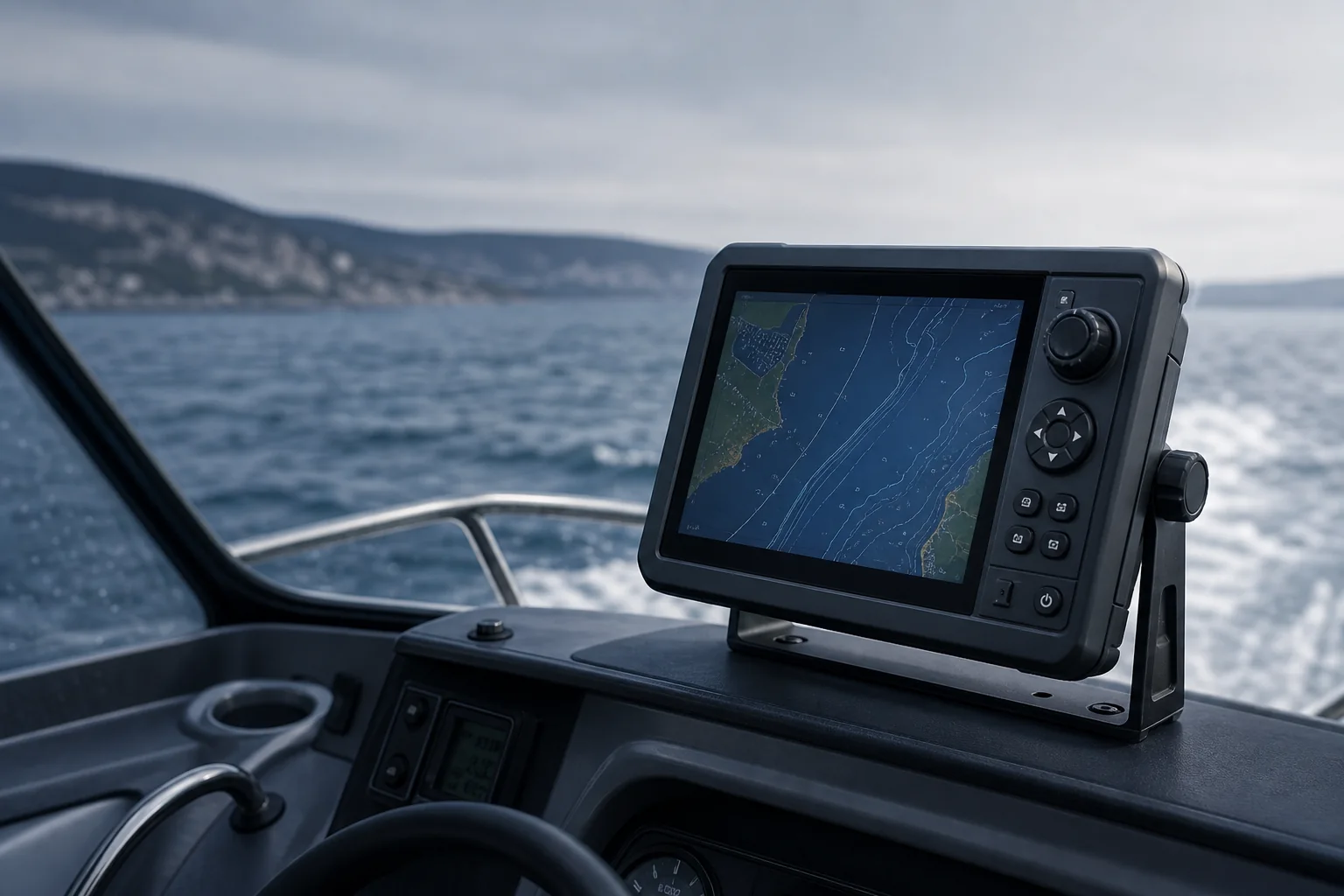
Explore application-specific battery requirements and solution directions.

Explore application-specific battery requirements and solution directions.
Explore application-specific battery requirements and solution directions.
FROM SELECTION TO EXECUTION
Solutions helps you identify the right technical direction. The complete Engineering page explains how Stellova coordinates requirements, architecture, BMS and electrical development, mechanical integration, prototypes, validation, certification and production transfer.
View the Complete Engineering ProcessDISCUSS YOUR APPLICATION
Share your application, voltage, capacity, current, dimensions, operating environment, communication and certification requirements. We will help define the next engineering step.